
The Uninvited Guest: When Every Event Becomes a Magnet

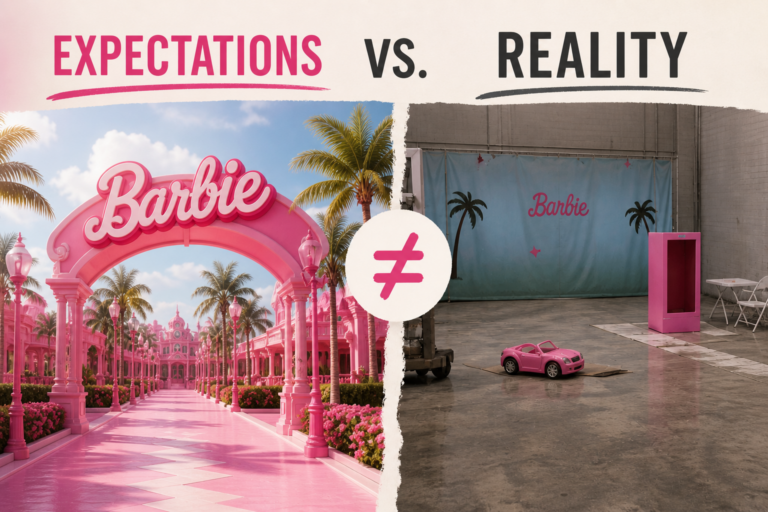
Recent coverage highlighted a Barbie-themed immersive experience in Florida where families arrived to find something very different from what had been advertised. Reporting from the BBC and others focused less on any single misstep and more on the difference between what people expected and what they encountered once they got there.
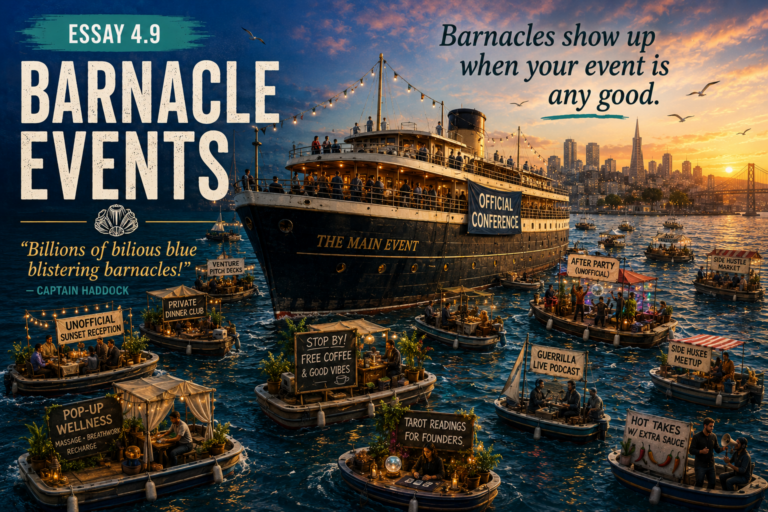
At Dell World, Brocade became known for throwing the party everyone really wanted to attend. Eventually, the party became so popular that it had to become a “whisper party,” because the official host understandably did not love watching people slip away from the sanctioned program to go somewhere more exciting. That is a barnacle event….
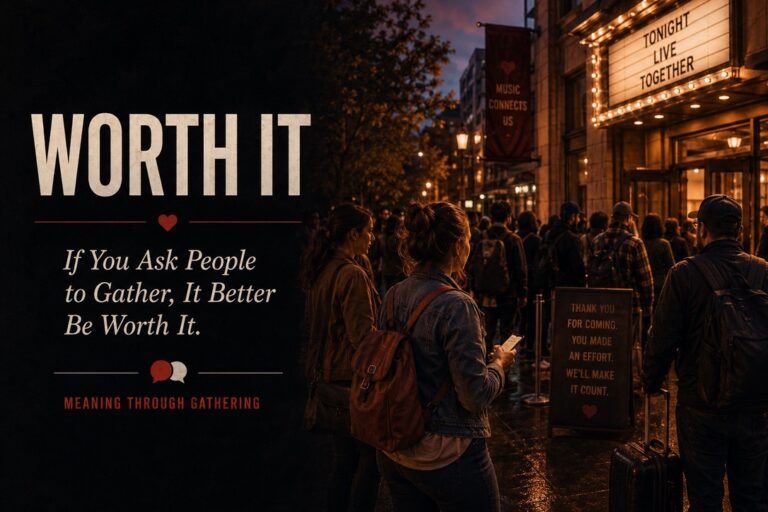
The 2026 World Cup has not yet begun, and already one of its stories is about what it costs to be there. Reuters reported that the attorneys general of New York and New Jersey subpoenaed FIFA over ticketing practices for matches at MetLife Stadium, including concerns about seat categories, high prices, and dynamic pricing. The…

In the musical Brigadoon, a village appears in the Scottish mist for one day every hundred years. For that single day, it is complete: people, streets, rituals, love, danger, memory, and song. Then it disappears again. That has always felt like one of the best metaphors for events. Before a great gathering, there is silence….
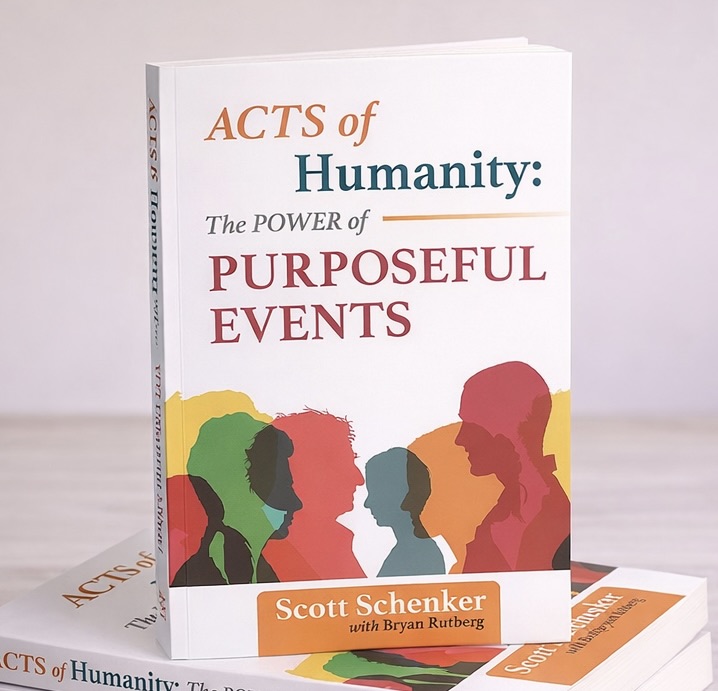
ANNOUNCEMENT My book Acts of Humanity: The Power of Purposeful Events will be released in August 2026. Pre-release orders are open now at your favorite bookseller (links here) or at www.actsofhumanitythebook.com. (There is even a Limited Edition available from the web site.) Overview:Human beings are not just social creatures—we are relational creatures. Events – large…
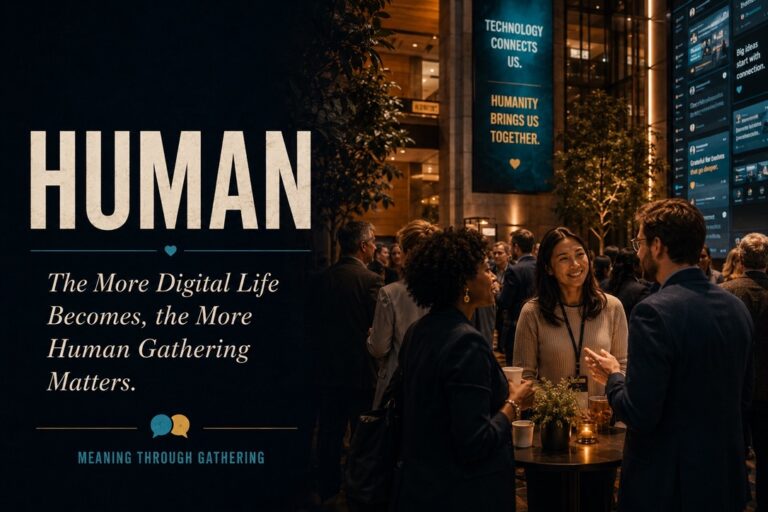
At the same time everyone is talking about artificial intelligence replacing, accelerating, summarizing, generating, automating, or reshaping knowledge work, a global business-events company is being sold for about $1.8 billion. That is worth sitting with for a moment. The Financial Times reported that Hyve, a major organizer of business events, is being sold to Hellman…