The Rise of Brand Storytelling in Job Postings

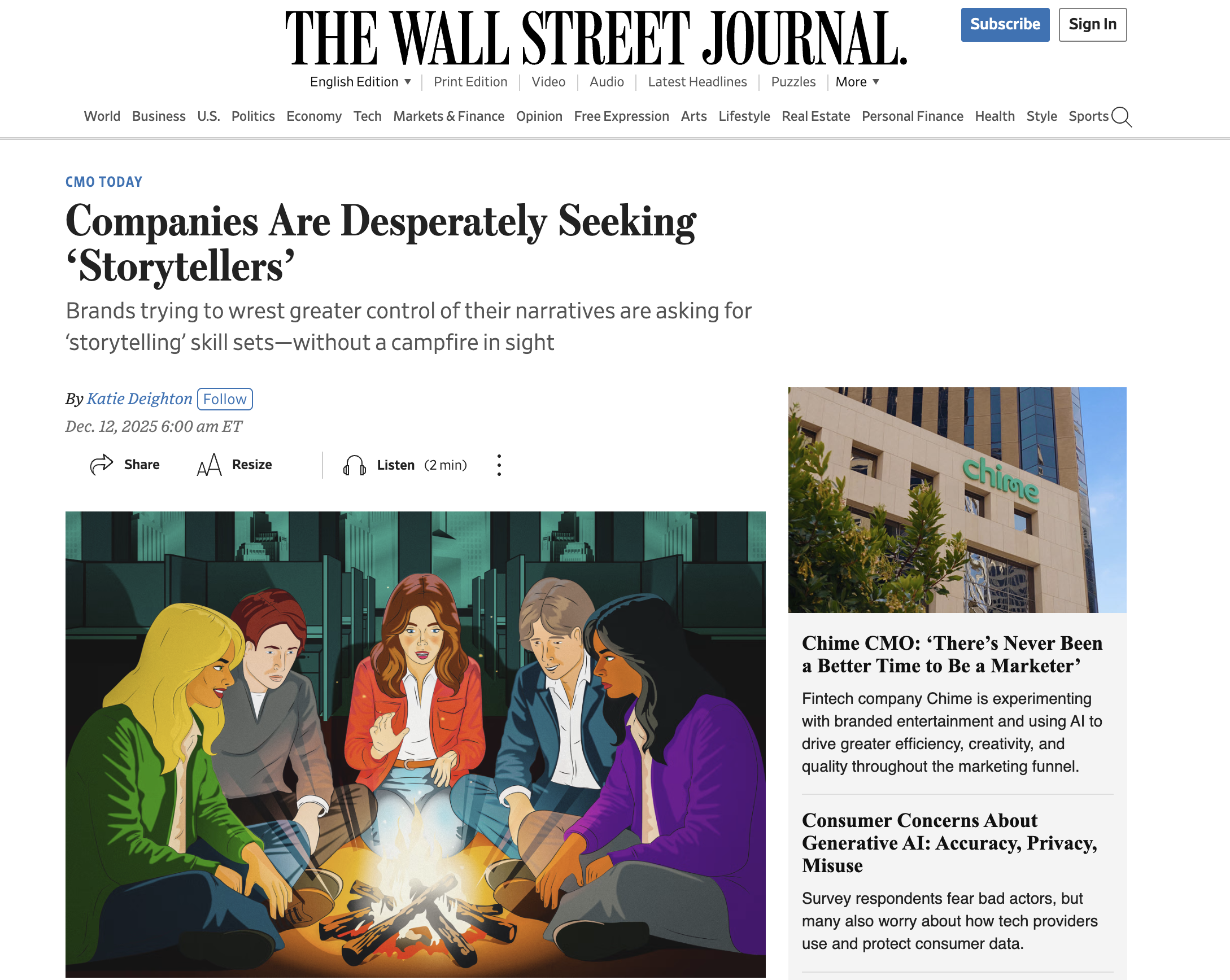
LinkedIn recently noted that job postings mentioning “storytellers” have doubled over the last year. Around the same time, its 2026 skills analysis for media and communications listed “Brand Storytelling” among the fastest-growing skills in that field. That is interesting not because storytelling is suddenly new, but because organizations are now naming it more directly.
For a long time, storytelling sat inside other categories. Communication. Marketing. Leadership. Sales. Culture. It was present, but often treated as secondary to the work rather than part of the work itself. What LinkedIn’s data suggests is that more organizations are beginning to see it differently. They are not just looking for people who can inform, explain, or promote. They are looking for people who can create meaning, shape understanding, and help others connect the dots.
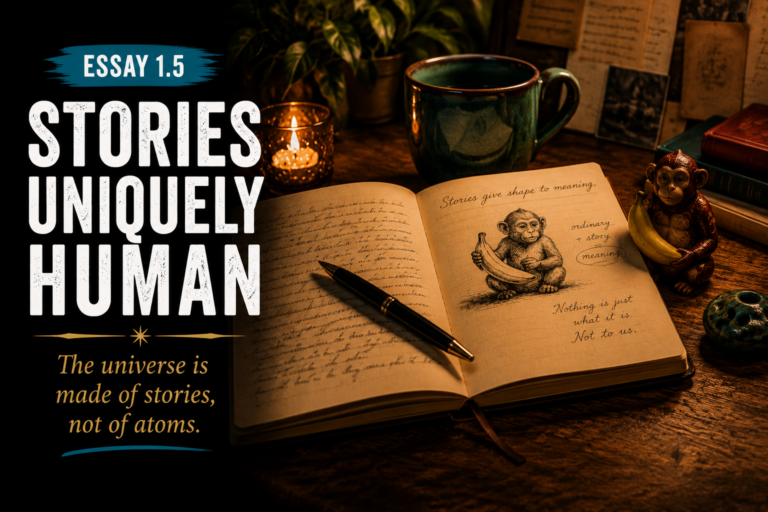
That matters because storytelling has always done more than decorate an idea. It helps people understand what something is, why it matters, and where they fit inside it. We do that as individuals, as teams, as companies, and as societies. We tell stories about where we have been, what we believe, what we are building, and what we hope comes next.
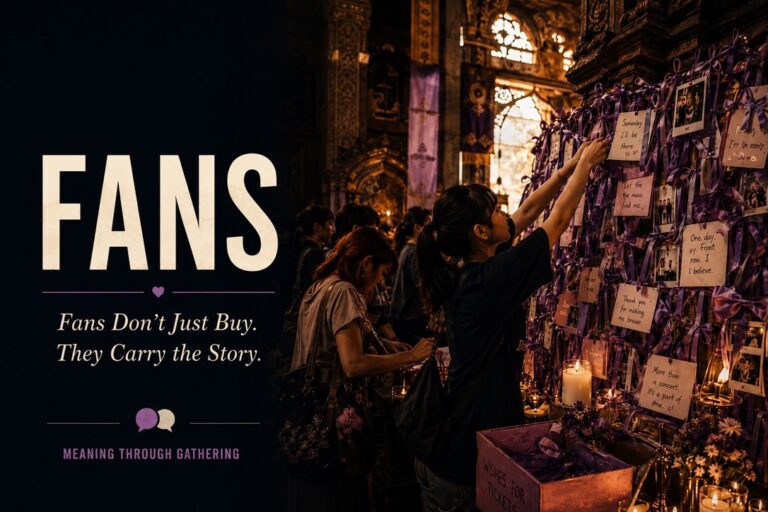
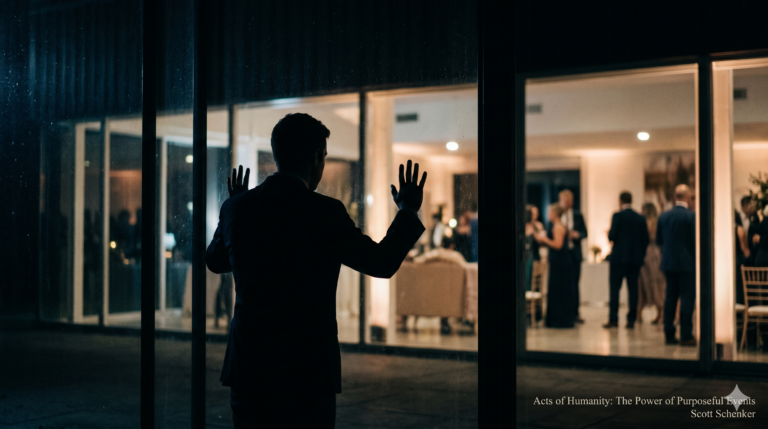
That is one of the threads running through Acts of Humanity: The Power of Purposeful Events. Human beings do not simply exchange information. We interpret the world through stories. We remember through stories. We gather around stories. And when an event works, it usually does more than deliver content or stage a moment well. It gives people an experience they can carry forward and retell.
That may be part of what is changing in the job market. In a world where information is abundant and content is easier to generate, the ability to shape a clear and credible narrative becomes more valuable, not less. LinkedIn’s own language around brand storytelling points in that direction, describing it as a way to help audiences understand a company’s goals and values and to build trust and credibility.
Events sit right in the middle of that. They are places where stories are told, but they are also places where stories are formed. What people experience in the room rarely stays in the room. It becomes part of how they describe the organization, the brand, the leadership, or even their own relationship to what happened there.
The event ends. The story continues.
So when storytelling begins to show up more often in hiring language, it does not feel like a passing trend. It feels more like a visible acknowledgment of something older and more foundational. People have always needed stories to make sense of what they are part of. What may be changing now is that more organizations are willing to say so out loud.